5 Benefits of Sauna for Skin (2026 Guide)
The benefits of sauna for skin include temporarily opening pores, increasing circulation, encouraging a fresh-looking glow, and helping loosen surface buildup through sweat. Infrared sauna sessions may support relaxation and skin comfort, but they do not replace cleansing, sunscreen, hydration, or professional dermatological care.
What are the benefits of sauna for skin?
A sauna is not a magic eraser for every blemish—sadly, it cannot delete last night’s dessert either. However, consistent, sensible sauna use may complement a thoughtful skincare routine in several useful ways.
1. It encourages a healthy-looking glow
Heat causes blood vessels near the skin’s surface to widen, increasing circulation. That temporary boost can make skin look warmer, brighter, and more refreshed after a session. The post-sauna glow is real-looking, even if it is not permanent.
Improved circulation may also help deliver oxygen and nutrients to skin tissue. Think of it as a gentle “good morning” message for your complexion rather than a complete renovation.
2. It helps loosen surface buildup
Sweating can soften oils, makeup residue, and dead skin cells sitting on the surface. This may make cleansing feel more effective after your session. The key word is after : sweat does not replace washing, and letting it dry on the skin can leave you feeling sticky or irritated.
For best results:
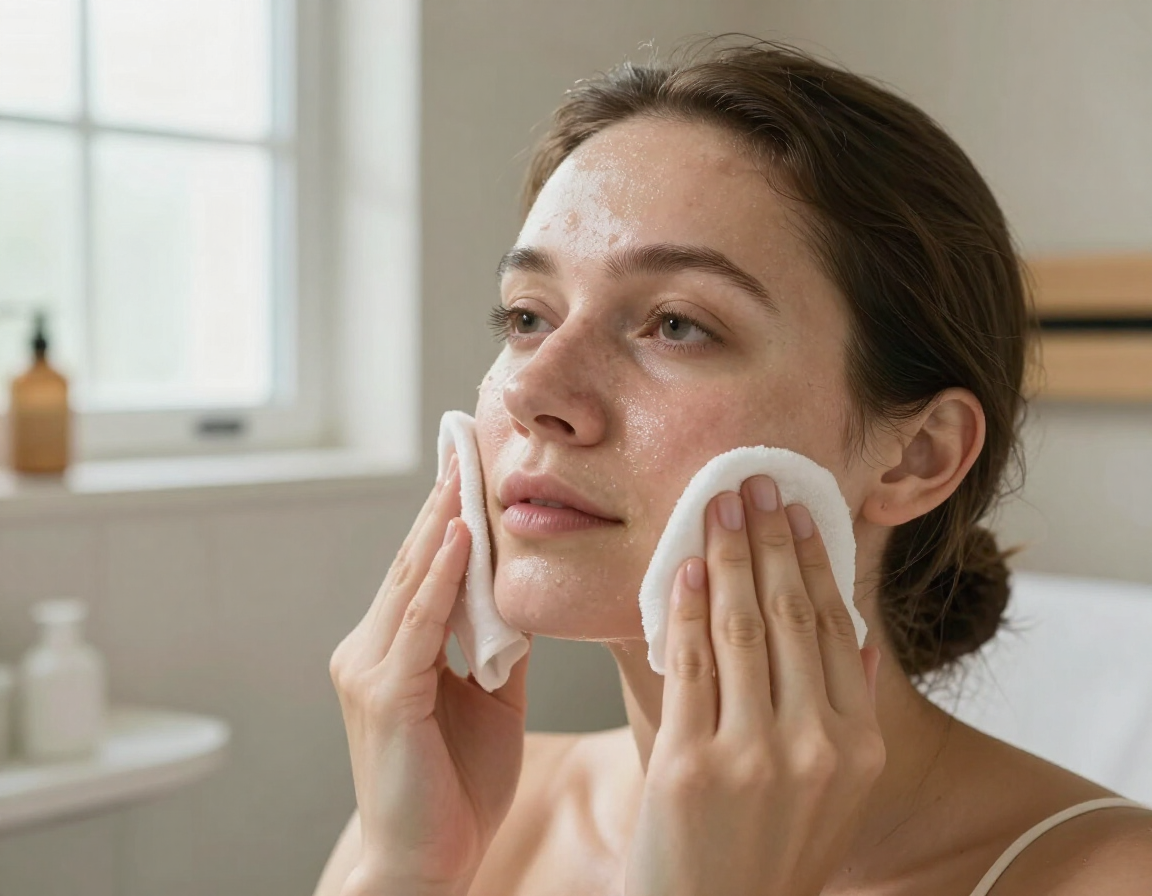
- Remove makeup and cleanse gently before entering.
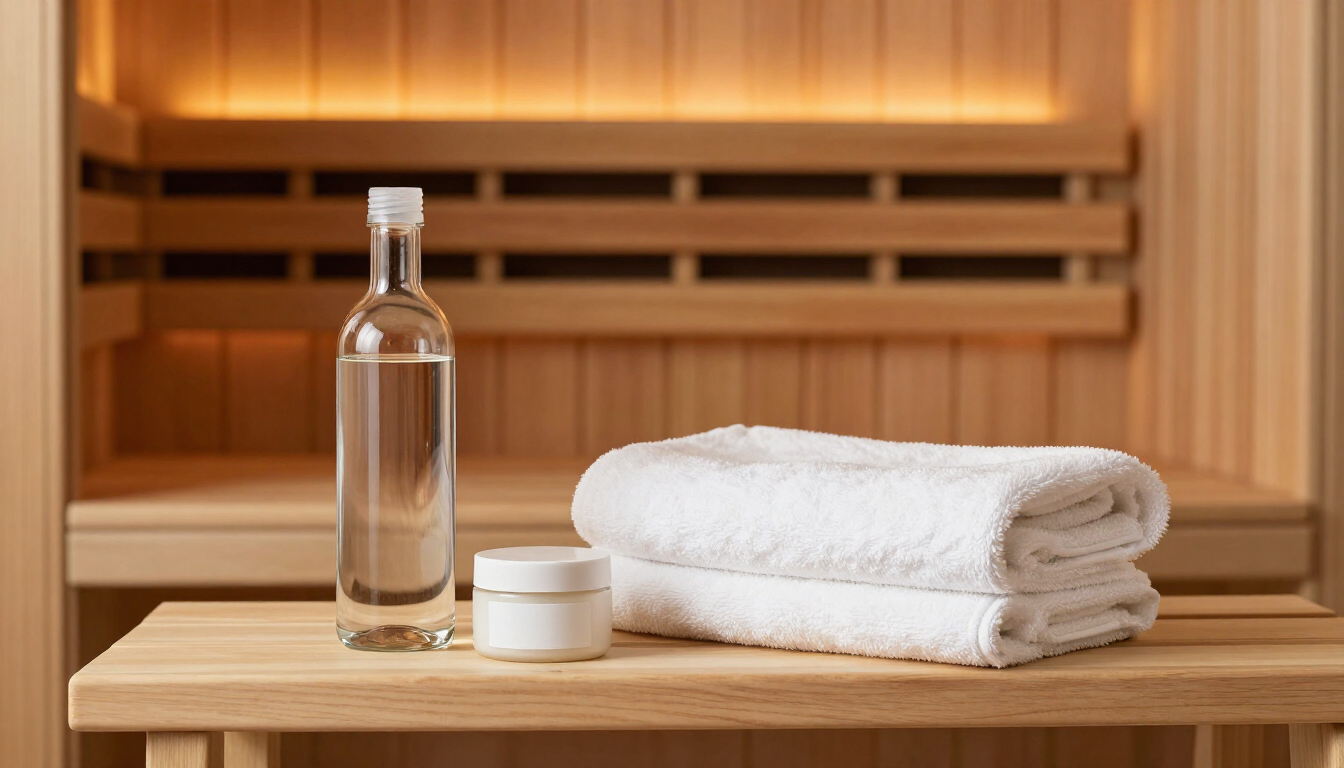
- Use a clean towel to sit on and avoid touching your face.
- Rinse or cleanse soon after your session.
- Apply a simple moisturizer while skin is still slightly damp.
- Drink water before and after, especially in Colorado’s dry climate.
3. It may support clearer-looking pores
Heat and perspiration can temporarily make pores appear more open and help loosen congestion near the surface. This can be helpful for a clean, refreshed feeling, but sauna heat does not permanently shrink pores or remove deep blackheads.
If you are acne-prone, keep products simple after heat exposure. Strong acids, retinoids, or aggressive scrubs immediately after a sauna may increase dryness and irritation. Your skin already had a workout; it does not need a boot camp.
Can infrared sauna improve skin appearance?
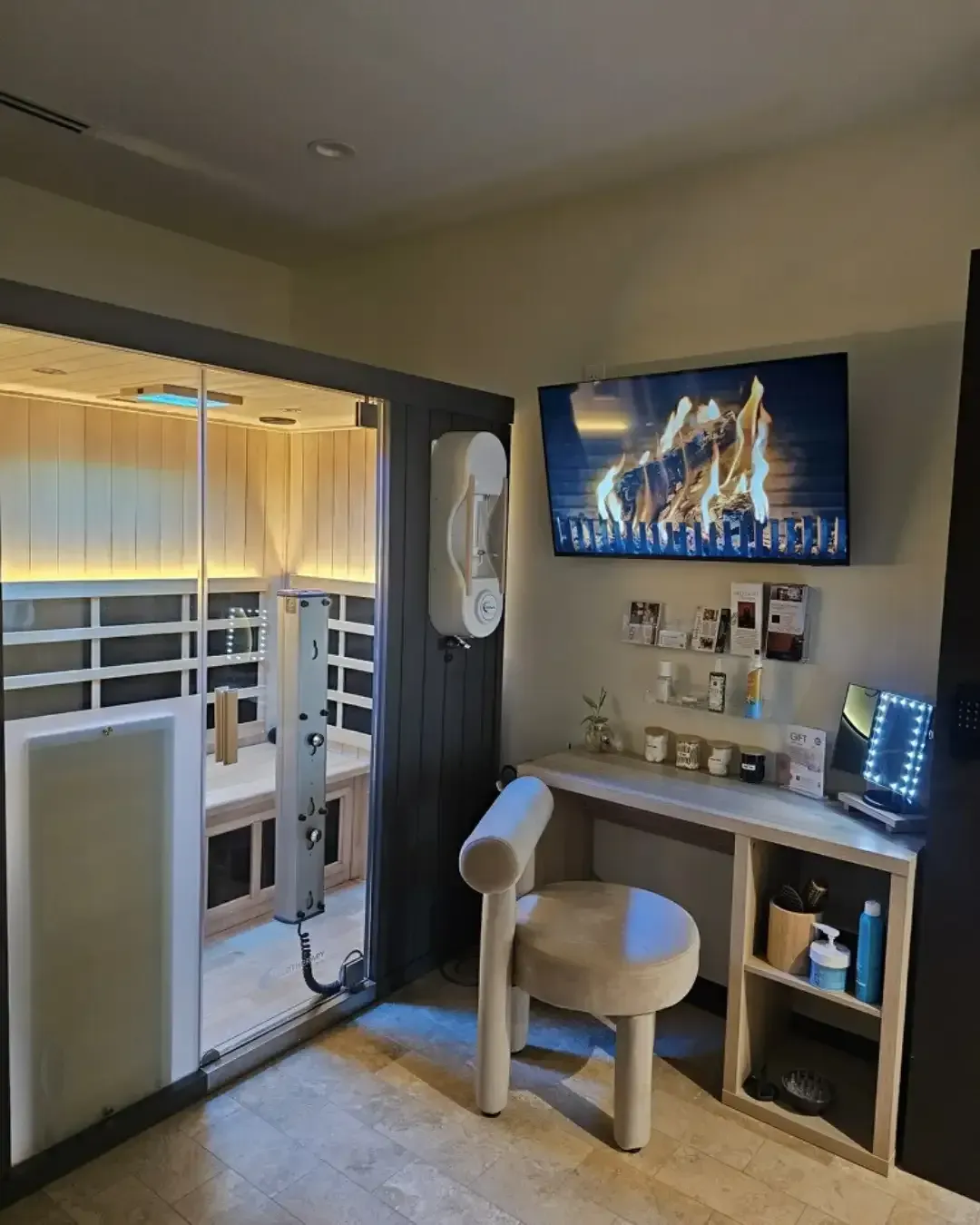
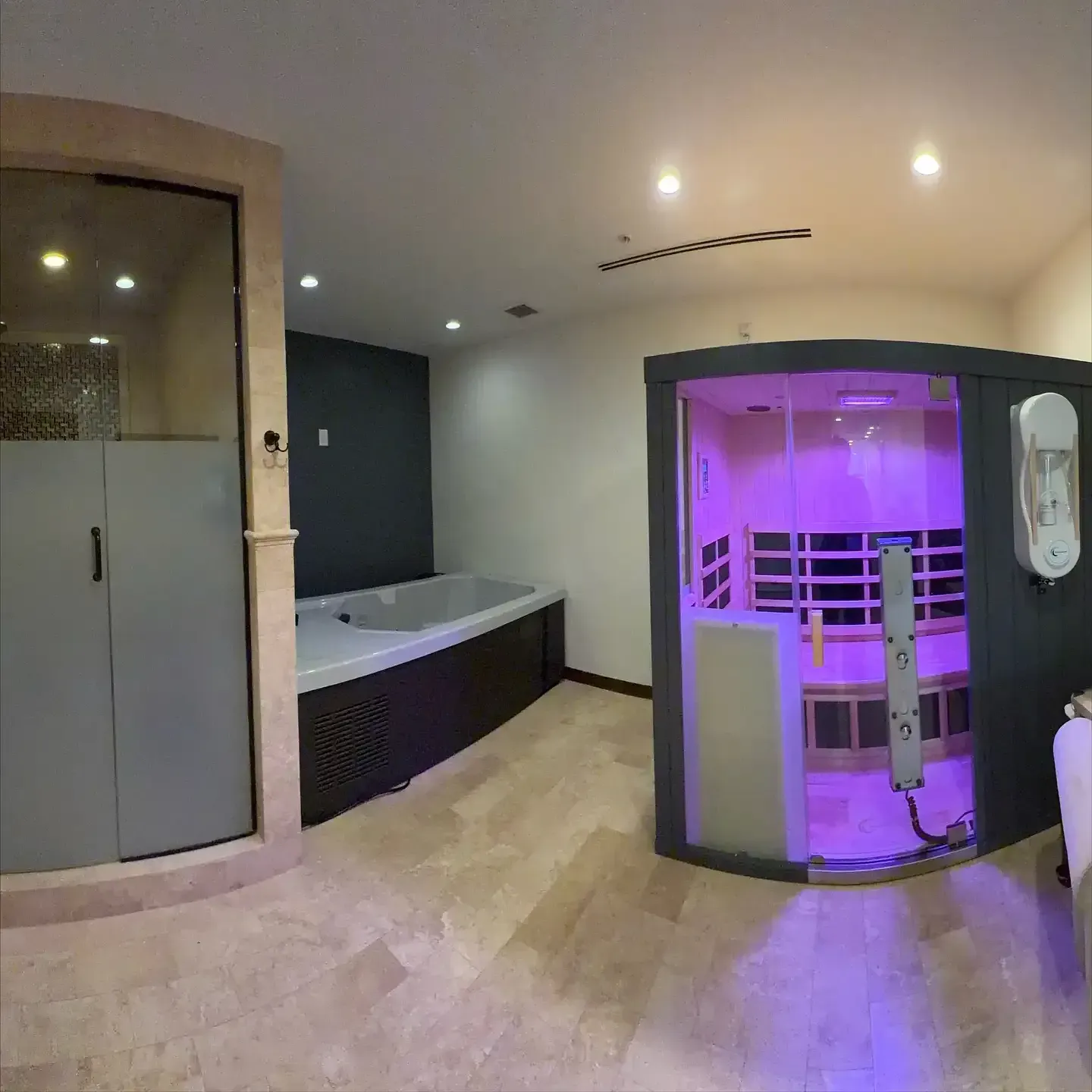
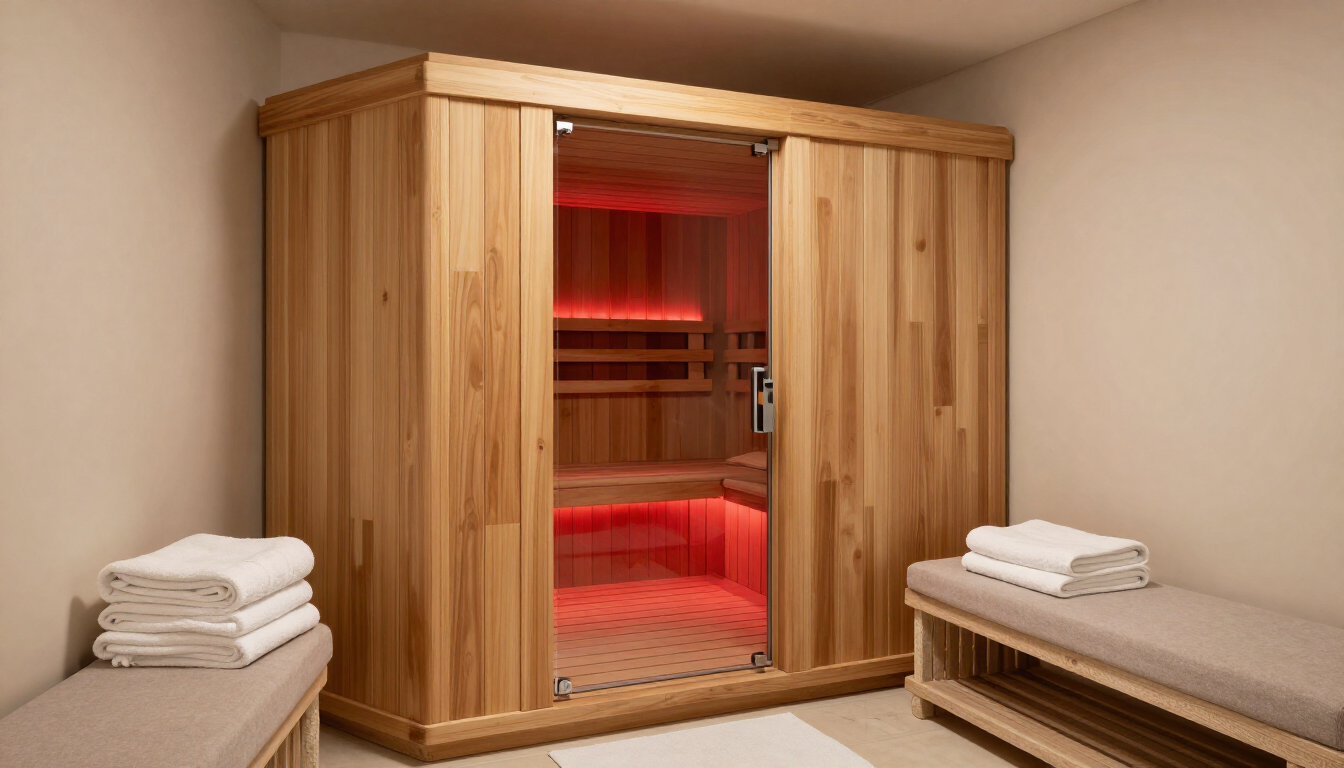
Infrared sauna uses infrared light to warm the body more directly than traditional hot-air heating. Many people find the experience comfortable and relaxing, and the combination of warmth, rest, and hydration may support a temporarily brighter appearance.
Elemental Escape’s Infrared Sauna is designed as part of a calm, restorative wellness experience. While research on infrared sauna and specific cosmetic skin outcomes is still developing, a session can fit nicely into a broader routine focused on relaxation, circulation, and recovery.
4. It can support relaxation—and relaxed skin looks better
Stress does not automatically cause every skin concern, but it can influence sleep, habits, inflammation, and how consistently you follow your routine. A quiet sauna session may help you slow down, breathe more deeply, and make room for recovery.
That matters because skincare is not only what you put on your face. Rest, hydration, balanced nutrition, and stress management all have a supporting role. Your moisturizer deserves a team effort.
5. It may enhance the ritual of skin hydration
Sweating itself does not hydrate skin; it causes fluid loss. Still, a sauna visit can remind you to drink water and follow up with a moisturizer. After cooling down, use a fragrance-free product suited to your skin type to help support the skin barrier.
Avoid assuming that more heat equals more glow. Longer sessions and extreme temperatures can leave skin tight, flushed, or dry—particularly if you have sensitive skin, rosacea, eczema, or a compromised skin barrier.
How often should you use a sauna for better-looking skin?
For many healthy adults, starting with one or two moderate sessions per week is a sensible approach. Begin with a shorter session, pay attention to how your body responds, and increase gradually only if you remain comfortable. There is no skincare trophy for staying in the longest.
A practical sauna-and-skincare routine looks like this:
- Before: Hydrate, remove makeup, and skip heavy occlusive products.
- During: Use a clean towel, breathe normally, and leave if you feel dizzy, nauseated, unusually weak, or uncomfortable.
- Immediately after: Cool down gradually and rinse away sweat.
- Next: Apply moisturizer and drink water.
- Later: Use sunscreen if you will be outdoors. Heat does not protect against ultraviolet rays.
Who should avoid sauna heat or ask a clinician first?
Sauna use is not appropriate for everyone. Ask a healthcare professional before using a sauna if you are pregnant, have cardiovascular disease, uncontrolled blood pressure, a condition affecting heat regulation, or take medications that influence hydration or blood pressure.
Leave immediately if you experience faintness, chest discomfort, confusion, severe headache, or trouble breathing. Children should use sauna facilities only according to qualified professional guidance and facility policy.
If you have rosacea, eczema, active irritation, or very sensitive skin, heat may worsen redness or discomfort. Consider professional advice before adding sauna sessions to your routine.
Sauna, steam, or red light: which supports your routine?
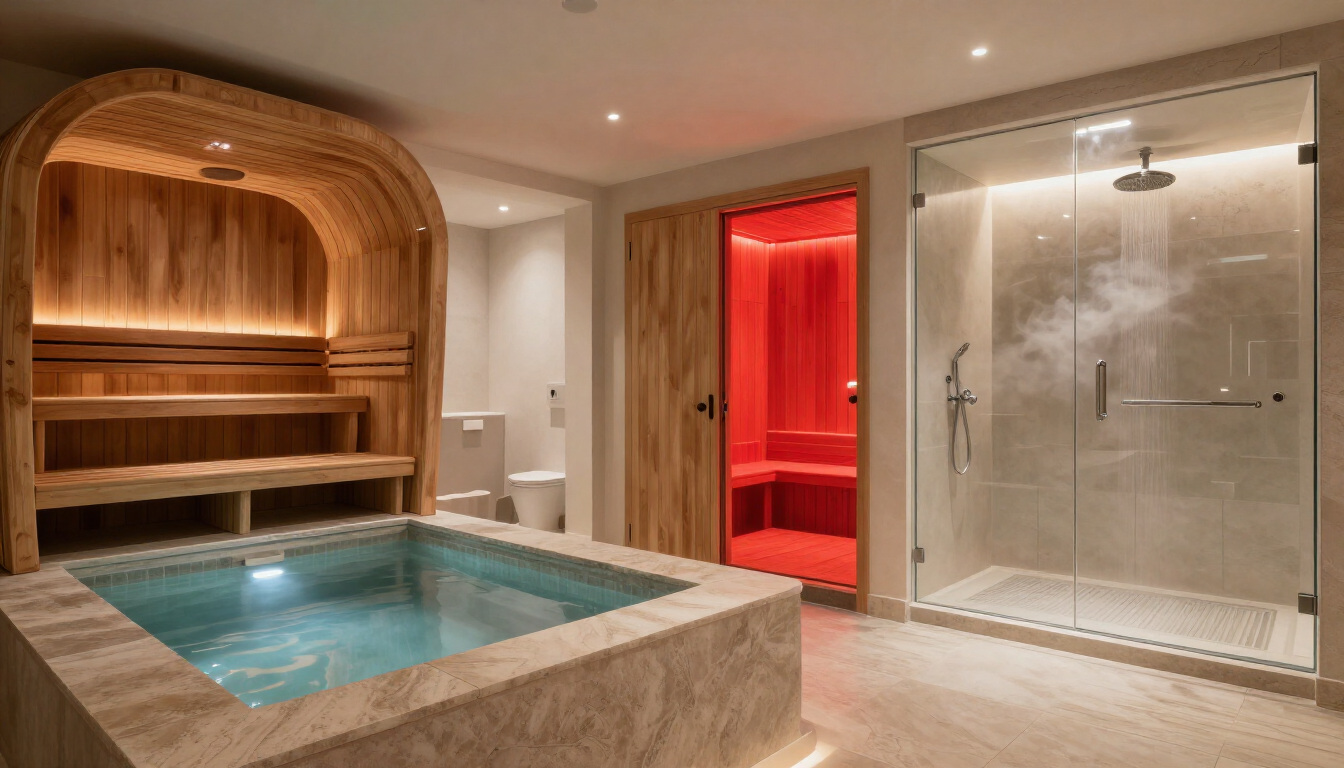
Each wellness service offers a different experience, so the best choice depends on your goals and tolerance:
- Infrared sauna: Warm, restful heat with a focus on relaxation and sweating.
- Vitamin C steam shower: Moist, enveloping steam for a soothing, spa-like reset; explore the Vitamin C Steam Shower .
- Red light therapy: A light-based wellness treatment that does not rely on intense heat; learn about Red Light Therapy .
- Cold plunge: Cooling contrast that many guests pair with heat for a refreshed, energized feeling; see the Cold Plunge .
These services can complement one another, but combining treatments is not automatically better. Start with one experience, learn how your body and skin respond, and build a routine that feels sustainable.
The takeaway
The benefits of sauna for skin are mainly supportive: heat may boost temporary circulation, loosen surface buildup, encourage a fresh-looking glow, and create space for relaxation. Sauna therapy works best alongside gentle cleansing, moisturizer, hydration, sleep, and daily sunscreen—not instead of them. Start with moderate sessions, listen to your body, and ask a clinician if you have a medical condition or sensitive skin concern. Ready to explore a calmer routine? Visit Elemental Escape in Greenwood Village or contact the team to choose the experience that fits your wellness goals.